
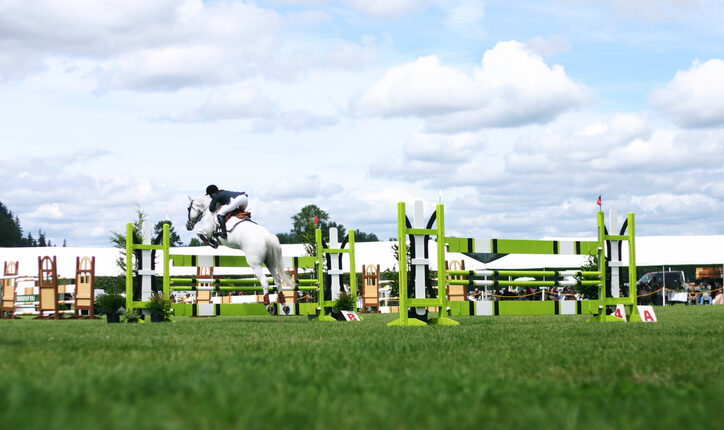
Thinking about course design
Designing a horse jumping course is an art that combines creativity, practicality, and a deep understanding of both horses and riders. Whether you’re a seasoned course designer or a beginner looking to create your first course, there are several key principles to keep in mind to ensure a challenging, safe, and enjoyable experience for both horse and rider. In this blog post, we’ll explore some essential tips and tricks for designing a horse jumping course that will delight competitors and spectators alike.
1. Understand Your Audience
Before diving into the design process, it’s crucial to understand the skill level and experience of the riders who will be navigating your course. Are they beginners, intermediate riders, or seasoned professionals? Tailoring the course to the riders’ abilities ensures that it will be both challenging and achievable, promoting growth and confidence in all participants.
2. Pick Jumps that go Together
While sometimes it may be necessary to simply use what is available, a good course designer will make the jumps look aesthetically pleasing, regardless of whether it is an elegant hunter course or a challenging jumper one. The jumps should look organized and well put together, which might mean matching colorful poles or combining the standards with the ground cover.
3. Balance Difficulty Levels
A good jumping course should offer a balanced mix of difficulty levels, possibly including inviting jumps for the beginning, challenging combinations to test skills, and a grand finale that pushes competitors to their limits. Varying heights, widths, and technicality of jumps keeps riders engaged and encourages strategic planning and execution.
4. Focus on Safety
Safety should always be a top priority when designing a horse jumping course. Use sturdy, well-built jumps and regularly inspect equipment for any signs of wear or damage. In new EC rules, most jump cups must now offer break-away options, especially on oxers in the showjumping arena. Ensure proper spacing between jumps to allow horses and riders ample time to prepare for each obstacle. Incorporate landing areas that are free of hazards is also essential.
5. Consider Flow and Rhythm
A well-designed course flows smoothly, allowing horses and riders to maintain a consistent rhythm and pace throughout. Pay attention to the layout of jumps, considering factors such as approach angles, distances between obstacles, and natural lines that encourage a fluid and efficient course progression. There should be options available in certain courses, such as inside or handy turns.
6. Incorporate Visual Appeal
Aesthetics play a significant role in the overall experience of a horse jumping course. Use colorful jump fillers, decorative elements, and thematic props to create an eye-catching and visually appealing environment. Incorporating natural elements like flowers, shrubs, and water features can further enhance the beauty of the course.
7. Seek Feedback and Adapt
As a beginner, after designing your course, seek feedback from experienced riders, trainers, and course designers. Their insights can help identify areas for improvement and fine-tuning to ensure the course meets the desired level of challenge and excitement. Be open to making adjustments based on feedback to enhance the overall quality of the course.
Conclusion
Designing a horse jumping course is a rewarding endeavor that requires a blend of creativity, technical skill, and attention to detail. By understanding your audience, creating a cohesive theme, balancing difficulty levels, prioritizing safety, focusing on flow and rhythm, incorporating visual appeal, and seeking feedback, you can create an unforgettable experience for riders and spectators alike. Happy designing, and may your courses inspire greatness in both horse and rider!